Our Approach
Driven by Values, Dignity and Care
A whole-system approach to pressure care and skin integrity
Pressure ulcers are rarely caused by a single factor. They are the visible outcome of multiple interacting risks that affect skin integrity, including pressure, mobility, positioning, nutrition and moisture.
Too often, these risks are managed in isolation. Pressure care, mobility, continence and skin integrity become separate clinical priorities, leading to fragmented care, inconsistent practice and missed opportunities for prevention.
At Mercer Consultancy, we take a different approach.
Our 360° Pressure Care & Skin Integrity Model places the person, the workforce and the care environment at the centre of decision-making, bringing together clinical practice, education, governance and service improvement to create sustainable change.
Effective prevention is not about carrying out more checks or purchasing more products. It is about designing systems that enable staff to recognise risk early, make informed decisions and deliver consistent, dignified care.
Seeing the Whole System
Pressure damage and skin breakdown rarely result from a single failure. They are often the consequence of multiple interacting factors, including:
- Fragmented pathways and siloed responsibilities
- Reduced mobility and poor positioning
- MASD, including IAD
- Contractures and reduced functional ability
- Mismatches between products, practice and everyday workflows
- Policies and procedures that do not reflect the realities of frontline care
Our role is to help organisations understand how these factors interact and develop practical, evidence-based solutions that strengthen prevention and improve outcomes.

What makes our approach different
Independent and Solution-Agnostic
We provide completely independent advice and do not promote specific products, manufacturers or technologies.
Our recommendations are:
- Evidence-informed and clinically credible
- Tailored to your organisation and care environment
- Focused on practical implementation
- Built around the problem rather than a predetermined solution
This enables organisations to make confident decisions that are both clinically appropriate and operationally sustainable.

Every organisation is different.
That's why we begin by understanding:
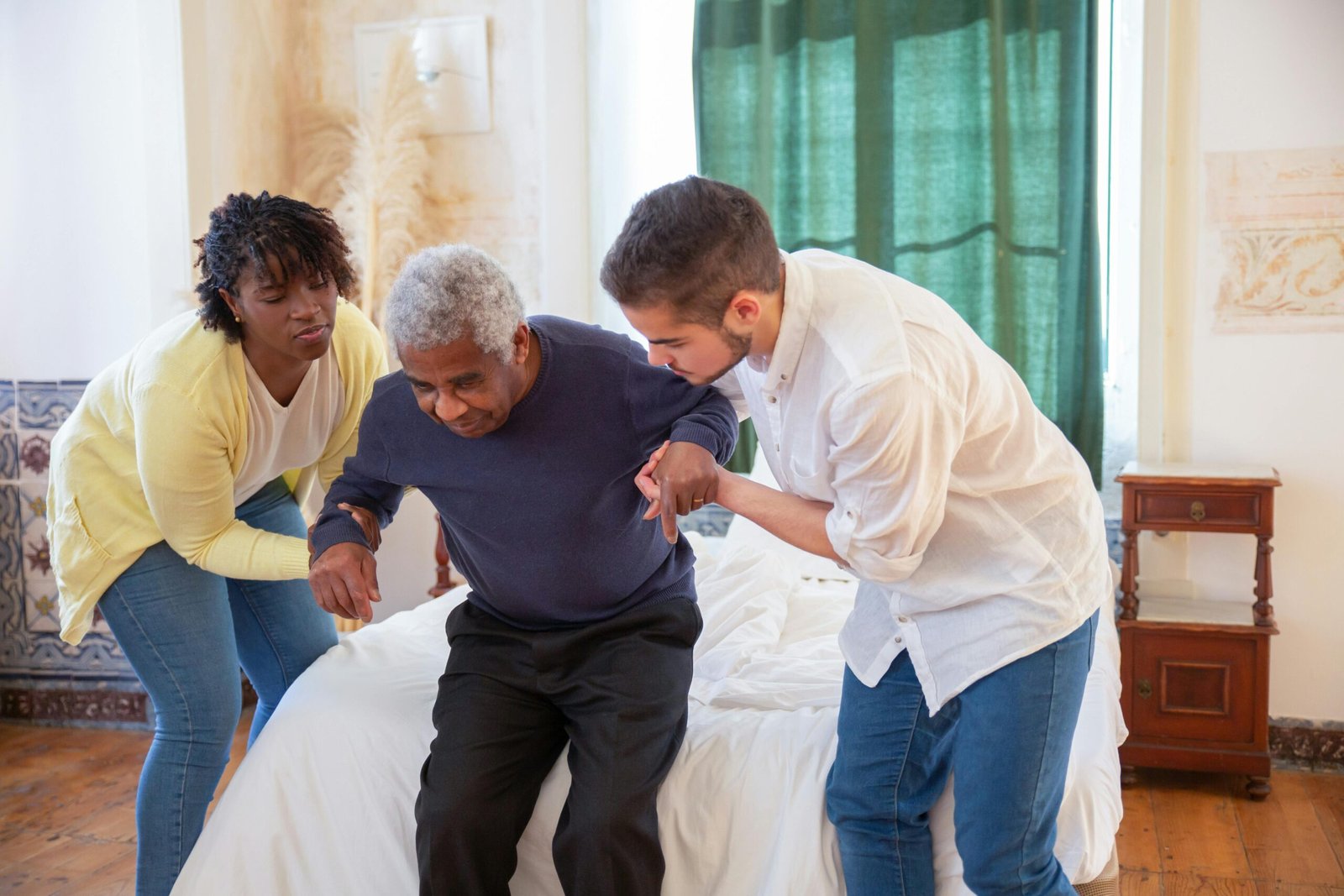
- The people receiving care
- The staff delivering care
- The environments in which care is provided
- The operational pressures and challenges services face every day
This ensures every recommendation reflects real staffing levels, real workflows and real opportunities for improvement.
Our core focus areas
Why this approach matters
When prevention is fragmented, avoidable harm may become accepted as inevitable.
By bringing together pressure care, skin integrity, mobility, education and service improvement within one whole-system approach, Mercer Consultancy helps organisations:
- Reduce avoidable pressure damage
- Protect skin integrity
- Improve staff confidence and competence
- Strengthen governance and clinical practice
- Deliver safer, more dignified, person-centred care
This is not about doing more.
It is about thinking differently, working together and creating sustainable improvements that make a meaningful difference to the people who receive care.